Indonesian Coffee Heritage: Single-Origin Excellence from Volcanic Highlands
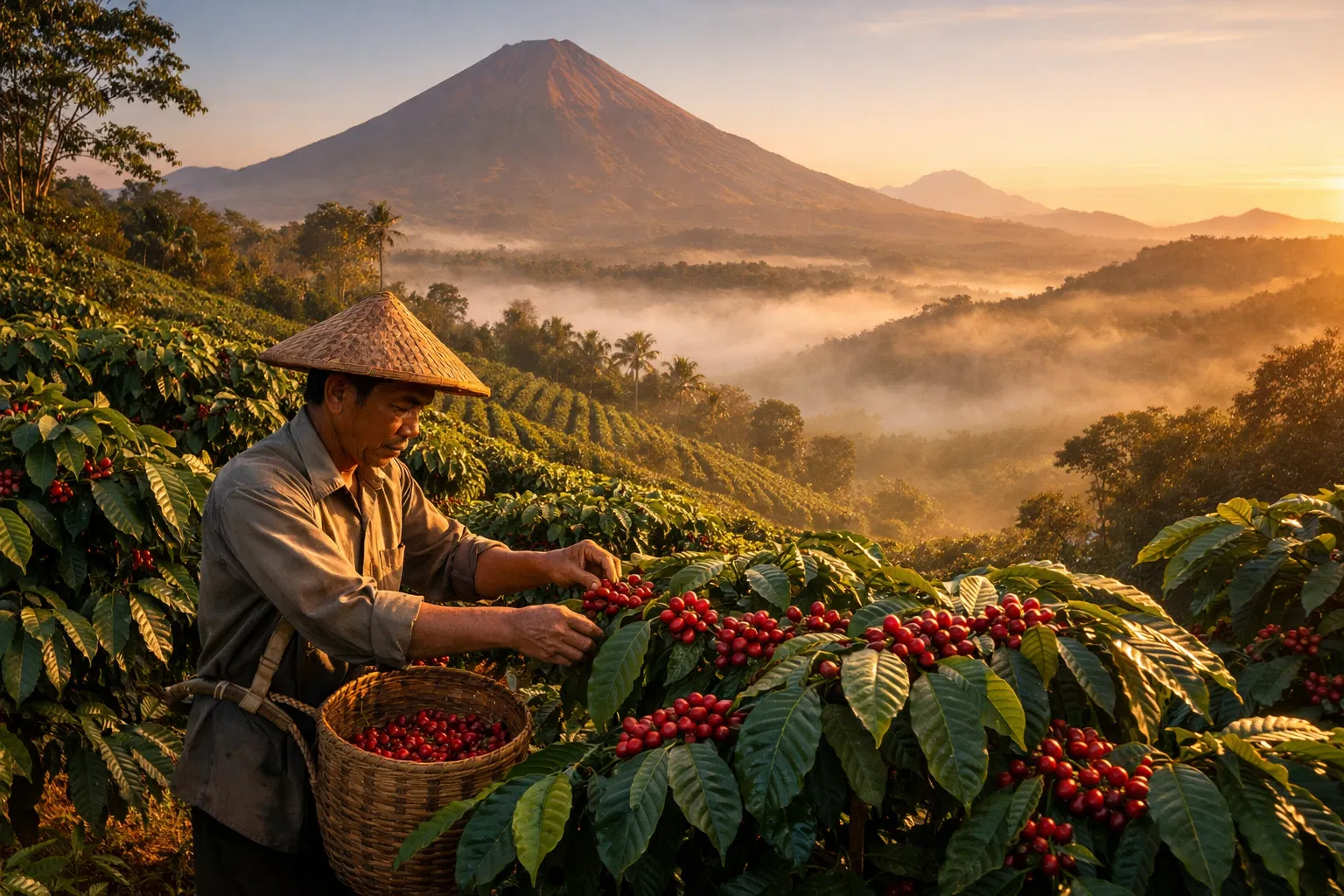
Indonesia is one of the world's largest coffee producers, yet many coffee enthusiasts remain unaware of the remarkable diversity and exceptional quality of Indonesian single-origin coffees. From the volcanic highlands of Sumatra to the misty mountains of Java, Indonesian coffee farmers are cultivating some of the world's most distinctive and sought-after beans.
The Volcanic Advantage
Indonesia's coffee-growing regions sit on the Pacific Ring of Fire, where volcanic activity has created exceptionally fertile soil rich in minerals and nutrients. This unique terroir imparts distinctive characteristics to Indonesian coffee—earthy undertones, full body, and complex flavor profiles that coffee connoisseurs prize.
The volcanic soil, combined with Indonesia's tropical climate and high-altitude growing conditions, creates ideal circumstances for coffee cultivation. These environmental factors don't just produce coffee—they produce coffee with character, depth, and personality.
Regional Excellence: Sumatra, Java, and Sulawesi
Indonesia's coffee regions each offer distinct flavor profiles:
- Sumatra (Mandheling): Known for full body, earthy notes, and low acidity. The wet-hulling process used in Sumatra creates the region's characteristic flavor profile.
- Java: Offers balanced acidity, herbal notes, and subtle spice. Java coffee has been cultivated since the Dutch colonial period, with centuries of expertise embedded in local farming practices.
- Sulawesi (Toraja): Produces coffee with exceptional balance, fruity notes, and smooth finish. High-altitude cultivation in Sulawesi's mountainous terrain contributes to these distinctive characteristics.
Traditional Harvesting and Processing
Indonesian coffee farmers employ traditional harvesting and processing methods refined over centuries. Selective hand-picking ensures only ripe cherries are harvested, while traditional wet-hulling and sun-drying processes preserve the unique flavor characteristics that define Indonesian coffee.
These traditional methods require significant skill and experience. Farmers must understand their plants intimately—knowing when cherries are perfectly ripe, how weather patterns affect fermentation, and how to achieve optimal drying conditions. This knowledge is passed down through generations, creating a living connection to coffee's agricultural heritage.
Sustainability and Community
Indonesian coffee farming supports millions of people across rural communities. By sourcing premium coffee directly from farmers and paying fair prices, we help ensure that coffee cultivation remains economically viable and that farming communities can invest in sustainable practices and their children's education.
Many Indonesian coffee farmers are transitioning to organic cultivation, protecting soil health and biodiversity while maintaining the exceptional quality that defines their coffee. This commitment to sustainability ensures that Indonesian coffee will continue to delight consumers for generations to come.
About the Author
Ahmad Wijaya is a coffee specialist and sourcing expert with 18 years of experience in Indonesian coffee procurement. He maintains direct relationships with coffee farmers across Sumatra, Java, and Sulawesi, ensuring consistent quality and fair trade practices.