Seasonal Availability Guide: When to Source Premium Indonesian Produce
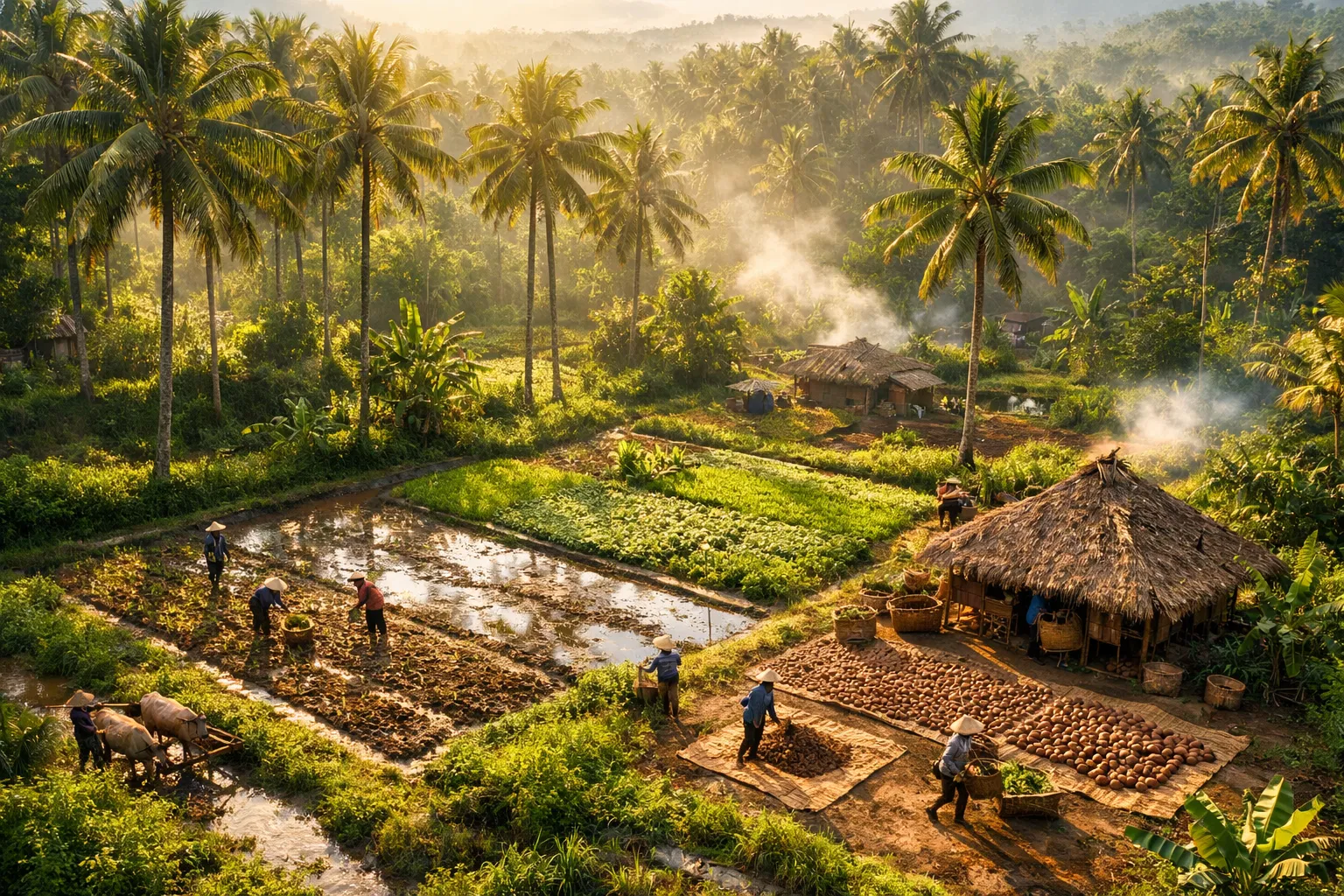
Understanding seasonal availability is crucial for exporters and retailers planning inventory and maximizing freshness. Indonesia's tropical climate and diverse geography create multiple growing seasons, allowing year-round production of many crops. This comprehensive guide helps you plan sourcing strategies around peak availability periods.
Year-Round Availability
Unlike temperate regions with distinct seasonal patterns, Indonesia's equatorial climate enables production of certain crops throughout the year. Coffee, vanilla, cacao, and spices are available year-round, though quality and pricing fluctuate seasonally.
Peak Seasons by Product
January - March: Peak season for coffee (harvest), gula aren, honey, and coconut products. Excellent quality and competitive pricing.
April - June: Prime season for vanilla, cacao, and spices. Tropical fruits including mangoes and avocados reach peak availability. Ideal for fresh produce orders.
July - September: Excellent availability of dried products, charcoal briquettes, and processed goods. Secondary coffee harvest begins. Reduced fresh fruit availability.
October - December: Transition season with mixed availability. Some products enter new harvest cycles while others wind down. Good opportunity for negotiating year-end pricing.
Strategic Sourcing Tips
- Plan Ahead: Communicate sourcing needs 2-3 months in advance to secure best pricing and quality during peak seasons.
- Diversify Products: Combine peak-season purchases with off-season inventory to maintain steady supply and manage cash flow.
- Build Relationships: Direct partnerships with farmers enable priority access to premium lots during peak seasons.
- Quality Monitoring: Peak season doesn't always mean best quality—verify specifications and conduct quality checks on all shipments.
- Storage Planning: Consider shelf life and storage requirements when planning large peak-season purchases.
Climate Considerations
Indonesia's monsoon patterns influence availability. The dry season (May-September) generally offers better quality and more stable supply, while the wet season (November-March) can introduce quality challenges but often features competitive pricing.
About the Author
Bambang Setiawan is a supply chain specialist with 16 years of experience in Indonesian agricultural exports. He helps international buyers optimize sourcing strategies and navigate seasonal market dynamics.